
LEG@SEA: GEOCEAN’S KEY RECOMMENDATIONS FOR A MORE SUSTAINABLE OFFSHORE INDUSTRY
Emissions reduction, low-carbon living quarters, optimized towing, water treatment: environmental engineering applied to maritime and subsea operations.
In an offshore sector increasingly constrained by climate challenges, combining operational excellence with environmental responsibility has become imperative. With its Leg@Sea initiative (Limited Emission of Geocean for @ Safe Environmental Activity), Geocean is developing an innovative, concrete, and measurable approach to sustainable performance in the maritime sector.
Here is a summary of the operational recommendations that guide this strategy, from fuel to wastewater, from the base camp to the tugboat.
BIOFUELS: CONCRETE SOLUTIONS TO REDUCE EMISSIONS
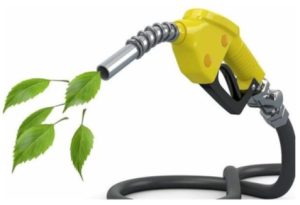
Geocean actively recommends the use of advanced biofuels (HVO100, UCOME…) to power its base camps and naval operations.
🎯 Goal: up to 80% reduction in CO₂ emissions compared to fossil diesel.
Key points:
- Prioritize fuels derived from waste over food crops (avoid Type I).
- Anticipate engine compatibility and storage conditions.
- Incorporate potential additional costs into tenders.
These offshore biofuel solutions, such as HVO or low-carbon fuels derived from waste, are fully aligned with a maritime energy transition strategy.
TOWING TOWARD A LOW-CARBON FUTURE
Towing is a priority area for emissions reduction in Geocean’s offshore projects.
Recommendations:
- Vessels < 10 years old and compatible with biofuel or hybrid propulsion.
- Use of Dyneema synthetic cable instead of steel for short-distance towing
- Integrated environmental monitoring (reporting, fuel, incidents).
🎯 Estimated emissions reduction: between 20 and 90% depending on technologies and practices.
This sustainable offshore towing strategy relies on the use of biofuel-powered tugs and practices that enhance maritime safety, in order to meet the growing demands for low-carbon towing in marine engineering.
WASTEWATER: REDUCTION, LOCAL TREATMENT, CONTROLLED DISCHARGE
Protecting marine environments requires rigorous management of wastewater from living quarters and construction sites.
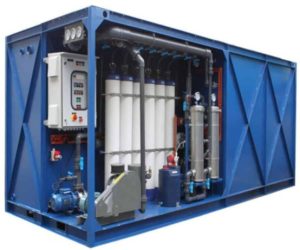
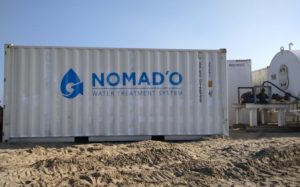
Preferred solution: containerized (MBBR/SBR) plug-and-play stations with biological treatment.
Alternatives tailored to the duration of the project: Pumping with outsourced treatment
- Septic tank (boxed)
- Regulated discharge at sea, compliant with the MARPOL Convention (applicable to ships and barges)
- Internal tool for estimating CO₂ emissions from the tender stage
- Budgeted and validated safety/environmental recommendations
- Best practice sheets compiled for future projects
- Conducting a biodiversity impact assessment (GBS)
This offshore wastewater management approach is based first on reducing the volumes to be treated to the absolute minimum. It then relies on compact, containerized MBBR stations. This solution enables marine construction site wastewater treatment that complies with the strictest standards. It also adapts to a variety of project configurations.
Geocean complements this approach with anti-pollution kits and a traceable quality protocol.
INTEGRATED, MEASURABLE, AND REPLICABLE CSR ENGINEERING
- Leg@Sea’s strength lies in its full integration into the project chain:
- Internal tool for estimating CO₂ emissions from the tender stage onwards
- Budgeted and approved health and safety/environmental recommendations
- Best practice guidelines compiled for future projects
- Conducting a biodiversity impact assessment (GBS)
This approach is consistent with the climate, biodiversity, and safety commitments of the VINCI Construction Grands Projets group. It extends, at the operational level, the transformation roadmap initiated by Geocean as part of the CEC Ocean Initiative, translating our 10-year vision into concrete actions that support a more sustainable and regenerative model.


