LEG@SEA: GEOCEAN’S KEY RECOMMENDATIONS FOR A MORE RESPONSIBLE OFFSHORE INDUSTRY
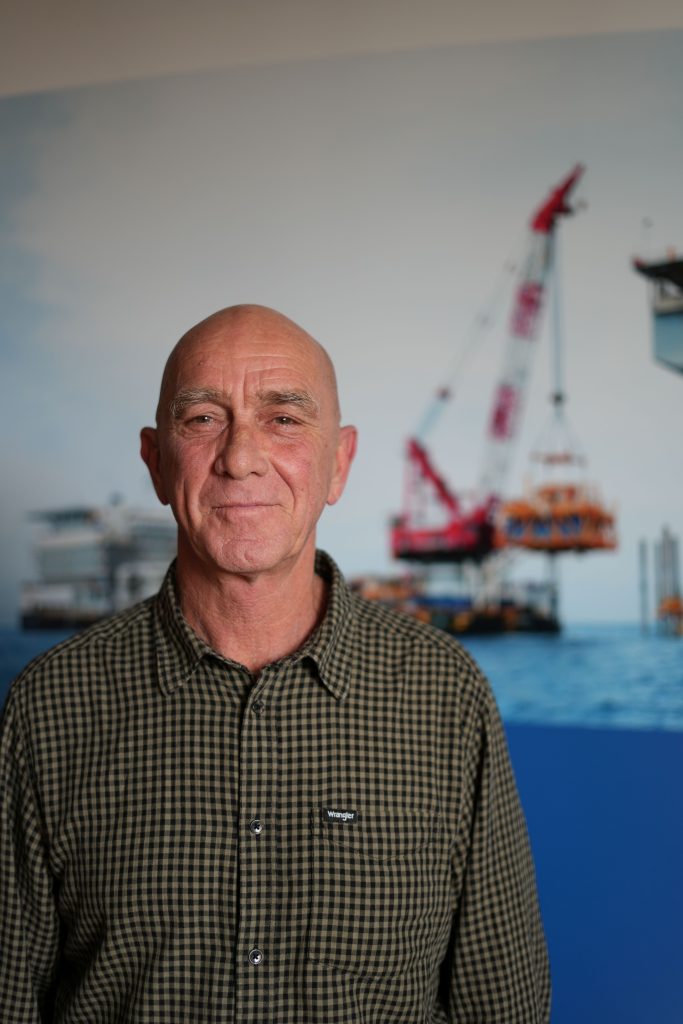
Geocean was involved in the particularly sensitive offshore phase of the FLNG project, off the coast of Pointe-Noire. Carried out at a depth of 33 metres and 17 kilometres from the coast, the project required heavy naval resources to install the FLNG’s mooring system and facilitate gas transport. Benoît Vivier, Field Engineer, looks back on an operation characterised by high technical demands and meticulous execution.
What memories do you have of the Marine XII project?
Above all, I remember it as a wonderful offshore experience. It was an intense project, with some impressive lifts and real operational demands across several key phases. In this context, we had to stay focused, maintain a critical eye and move forward collectively at every stage.
What made this project particularly challenging?
Marine XII was an exceptional technical challenge. The project relied on a series of highly critical underwater operations: installing a base template, placing a casing, drilling, cementing the three anchor piles, and installing the yoke and riser. Each stage had its own specific requirements: suitable weather conditions, specific coordination between teams, technical specifications, visibility and underwater measurements, etc. The verticality of the piles, the quality of their fixing and the positioning of the various components determined the course of subsequent operations and the stability of the entire structure. Indeed, the project’s installation reports frequently highlight the need for almost millimetre-level precision to ensure the near-perfect alignment of the piles in fairly hard ground, whilst operating in a complex offshore environment.
What was the main challenge on-site?
The main challenge was to monitor and manage demanding operations, using an unconventional installation method and making technical adjustments in real time. This required great rigour in execution, close coordination between the site and the office, and constant adaptability in the field.
What made Marine XII technically unique?
The project was truly unique in its installation method. For the first time, the yoke system was installed using bored and grouted piles. This method proved its effectiveness and suitability, whilst highlighting areas for optimisation in the future.
In what way was coordination crucial?
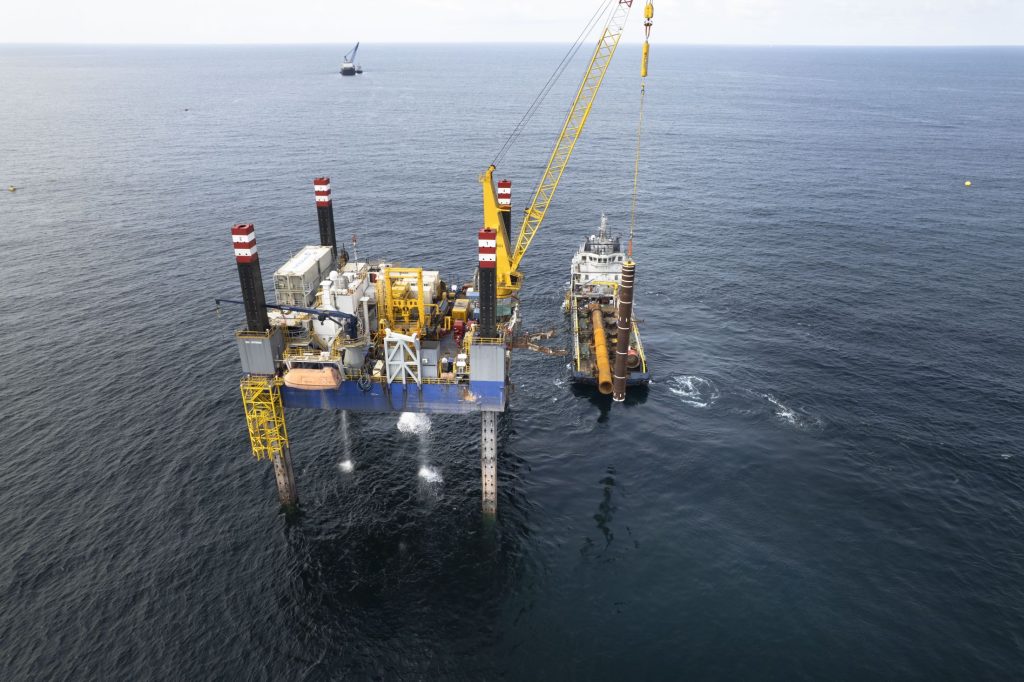
The project relied on meticulous coordination between numerous stakeholders, involving complex onshore logistics and highly technical offshore operations. The aim was to ensure high-quality execution without falling behind schedule. The jack-up barge was first deployed to install the anchor piles, alternating between drilling, underwater operations and the lifting of packages supplied by the PSV, with a significant focus on synchronisation. The HLV then took over to install the base, yoke and riser. Throughout the operations, divers and the ROV also played vital roles in inspections, adjustments, and certain underwater connections. This precise coordination between resources and expertise was essential to the project’s success.
What do you think this project says about the work carried out by the teams?
It demonstrates a genuine ability to adapt to the site’s realities. Despite the technical complexity and very tight installation tolerances, the teams successfully completed these unusual operations thanks to their commitment, composure, and team spirit.